-
Breakfast included; lunch at cafe near monastery
-
Moderate – uphill trek; wear sturdy shoes
-
~3,100 m at monastery
Overview
Duration: 7 Days
Destinations: Paro → Thimphu → Punakha → Paro
Focus: Cultural heritage, Himalayan landscapes, monasteries, and local traditions
Highlights
- Paro: Rinpung Dzong Tiger’s Nest Monastery (Taktsang) Kyichu Lhakhang
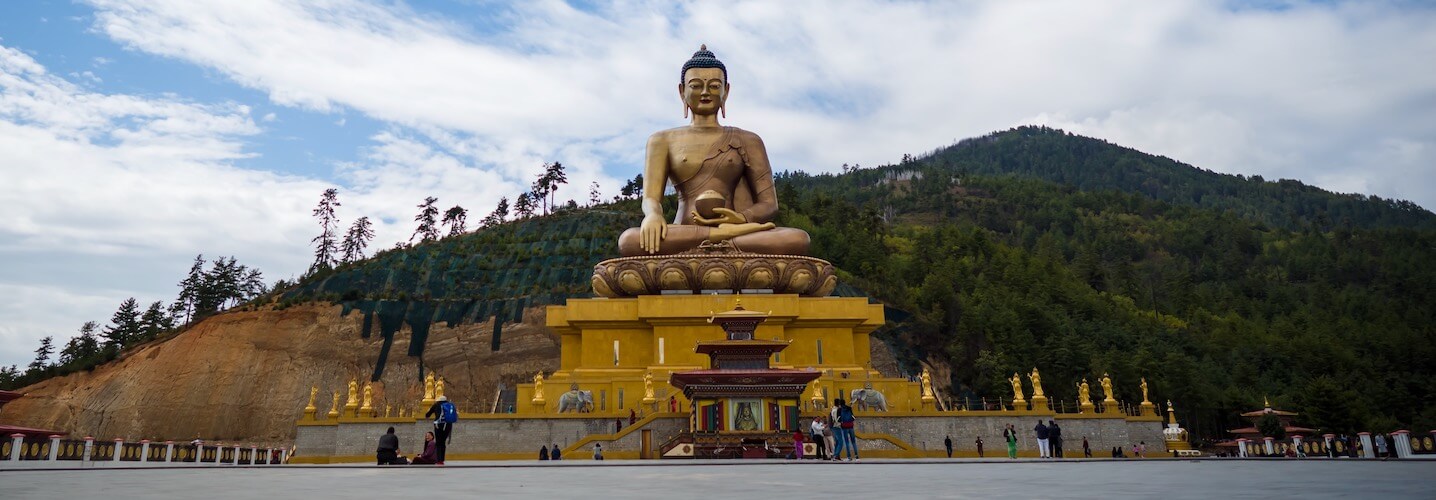
- Thimphu: Buddha Dordenma Statue Tashichho Dzong National Textile Museum & Folk Heritage Museum Local markets and cafes
- Punakha: Punakha Dzong Chimi Lhakhang (Fertility Temple) Scenic Dochula Pass and Himalayan views
Itinerary
- Arrival: Paro International Airport (the only international airport in Bhutan).
- Activities:
- Transfer to hotel for check-in and rest.
- Visit Rinpung Dzong, a fortress-monastery with stunning architecture.
- Walk around Paro town to explore traditional shops and cafés.
- Overnight: Paro
- Morning:
- Trek to Tiger’s Nest Monastery, perched 900 meters above the Paro valley.
- Experience breathtaking Himalayan views; guided tour of the monastery.
- Afternoon:
- Visit Kyichu Lhakhang, one of Bhutan’s oldest temples.
- Evening: Leisure time in Paro; optional traditional Bhutanese dinner.
- Overnight: Paro
Travel: 1.5–2 hours by road.
Activities:
Buddha Dordenma Statue, a gigantic Shakyamuni Buddha overlooking the valley.
Tashichho Dzong, the seat of Bhutan’s government and a monastic center.
Stroll along Norzin Lam Street for handicrafts and local culture.
Evening: Explore local cafes or attend a cultural performance (if available).
Overnight: Thimphu
Morning:
Folk Heritage Museum to understand Bhutanese rural life.
National Memorial Chorten, a center for daily prayers and rituals.
Afternoon:
National Textile Museum – Bhutanese weaving traditions.
Visit Changangkha Lhakhang, a hilltop temple with panoramic views.
Evening: Optional meditation session or walk in Thimphu town.
Overnight: Thimphu
- Travel: 3–4 hours drive; scenic journey through the Himalayas.
- Stops:
- Dochula Pass, 108 chortens and stunning mountain vistas.
- Explore Wangdue Phodrang Dzong en route (if open).
- Punakha:
- Visit Punakha Dzong, a majestic fortress at the confluence of two rivers.
- Optional river rafting or gentle walk along the river.
Overnight: Punakha
- Morning:
- Trek or drive to Chimi Lhakhang, the Fertility Temple.
- Short hike through rice paddies and villages.
- Afternoon: Leisure or visit Punakha suspension bridge.
- Evening: Relax at hotel or explore local markets.
- Overnight: Punakha
- Travel: 4–5 hours by road back to Paro.
- Optional: Last-minute shopping for handicrafts or souvenirs.
- Departure: Fly from Paro International Airport.
Includes/Excludes
Cost Includes
- Accommodation
- Hotels or guesthouses in Paro, Thimphu, and Punakha (typically 3★–4★, or as specified).
- Meals
- Usually breakfast at the hotels.
- Some packages may include lunch/dinner (check specifics).
- Transportation
- Airport transfers in Paro.
- Private car/van with driver for all sightseeing and transfers.
- Sightseeing & Activities
- Entrance fees to dzongs, monasteries, museums.
- Guided treks (e.g., Tiger’s Nest) and cultural tours.
- Visits to major attractions mentioned in the itinerary: Paro Dzong, Punakha Dzong, Thimphu museums, etc.
- Professional Guide
- English-speaking Bhutanese guide for cultural and historical explanations.
- Permits & Taxes
- All necessary Bhutan tourism permits.
- Sustainable tourism and government taxes.
Cost Excludes
- Flights
- International flights to/from Paro.
- Domestic flights (if any).
- Optional Activities
- Special treks or adventure activities (river rafting, longer hikes).
- Cultural shows or private events not included in the standard tour.
- Personal Expenses
- Tips for guides/drivers.
- Laundry, phone bills, souvenirs, or extra meals.
- Travel Insurance
- Medical, accident, or trip cancellation insurance.
- Visa/Entry Fees (for most tourists)
- Bhutan requires a tourist visa, usually arranged by your tour operator, but the cost may not be included in the package price.
FAQs
Yes, most nationalities require a tourist visa, which is arranged through a licensed Bhutanese tour operator. Your visa is usually processed after booking your tour package.
Spring (March–May): Blooming rhododendrons, pleasant weather
Autumn (September–November): Clear skies, ideal for trekking
Winter (December–February): Cold but fewer tourists
Monsoon (June–August): Rainy season, landslides possible
Yes, travel insurance covering medical emergencies, evacuation, and trip cancellations is strongly recommended. Bhutan’s mountainous terrain can pose risks.
Ngultrum (BTN) – pegged to the Indian Rupee (INR).
Indian Rupees (INR) are widely accepted; foreign currency can be exchanged in banks or hotels.